ByJohn A
What Is the Role of Oracles in Blockchain?
Oracles supply external data to blockchains, enabling smart contracts to act on real-world inputs. They address the gap in on-chain verifiability but introduce new trust and security questions. Data sources, verification methods, and latency trade-offs shape reliability and risk. Architectural choices—centralized, decentralized, or hybrid—alter resilience and governance. The stakes are high: pricing, governance, and automation depend on these feeds, yet no solution is without caveats, prompting ongoing scrutiny and evaluation.
What Oracles Do and Why They Matter for DeFi and Beyond
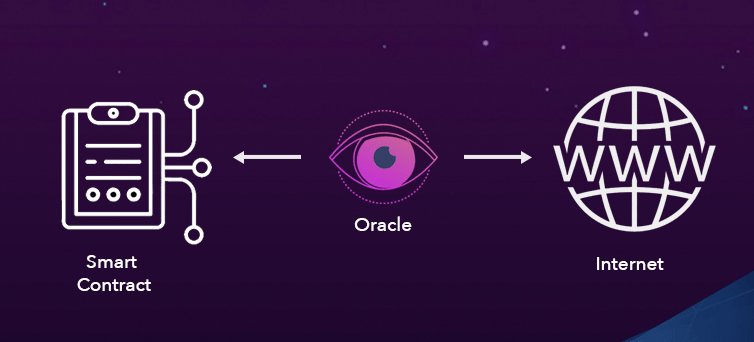
Oracles serve as bridges between on-chain systems and off-chain data, supplying external information that blockchains cannot verify independently.
The analysis emphasizes practical impact: reliable inputs affect protocol security, liquidity, and pricing.
However, exploit risk remains tangible, data freshness matters, and scalability trade offs constrain throughput.
Governance challenges complicate coordination, transparency, and accountability, shaping freedom through cautious, skeptical evaluation of oracle design and incentives.
How Oracles Get Data: Feeds, Sources, and Verification
Data for blockchain oracles arrives from diverse feeds and sources, each with distinct reliability, latency, and economics.
The process hinges on data sourcing choices and the credibility of originating inputs, not mystique.
Verification remains contested: feed verification must withstand manipulation, token incentives, and coherence with external signals.
Skepticism guards claims of perfection while openness enables auditing and independent verification by markets and users.
See also: The Future of Voice Recognition Technology
Oracle Architectures: Centralized, Decentralized, and Hybrid
Oracle architectures can be categorized into centralized, decentralized, and hybrid models, each presenting distinct trade-offs in trust, resilience, and cost.
Centralized routes offer clear data provenance but raise single points of failure; decentralized networks improve resilience yet complicate governance and latency.
Hybrid designs attempt balance, trading speed for broader security guarantees and traceability.
Freedom-minded evaluation remains essential for credible oracle selection.
How to Choose an Oracle: Criteria, Trade-Offs, and Best Practices
Choosing an oracle entails weighing reliability, latency, cost, and governance against the specific needs of a given smart contract.
The analysis centers on choice criteria, risk assessment, and data freshness, highlighting how trade-offs influence outcomes.
Governance models shape accountability and resilience, while prevention of single points of failure remains paramount.
Pragmatic selection demands measured skepticism, transparent criteria, and rigorous validation before deployment.
Conclusion
Oracles are the indispensable conduit between on-chain contracts and external truth, yet their influence hinges on architecture and governance. Centralized feeds offer speed but concentrate risk; decentralized models promise resilience at cost, while hybrids attempt balance. Verification quality, incentive structures, and feed diversity determine reliability more than any single design. In sum, oracles shape risk, pricing accuracy, and governance outcomes. Like bridges spanning uncertain rivers, their strength depends on robust design, rigorous auditing, and transparent conflict resolution.